Simon Schorn, PhD
R&D Associate | RHI Magnesita
RHI Magnesita Technology Center
Magnesitstraße 2
8700 Leoben
Austria
email: simon.schorn@hotmail.com
phone: +43 677 640 20351





I am an Earth Scientist working at the intersection of metamorphic petrology and materials research. My work combines observations, experiments, thermodynamics and numerical modelling to develop physically consistent, quantitative descriptions of processes in rocks and industrial materials.
Central to my approach is the formulation and testing of assumptions that connect mineral-scale transformations to larger-scale behaviour. I am particularly interested in heat and mass transfer, diffusion, solid–liquid–gas interactions, reaction kinetics, and how their interplay controls material evolution.
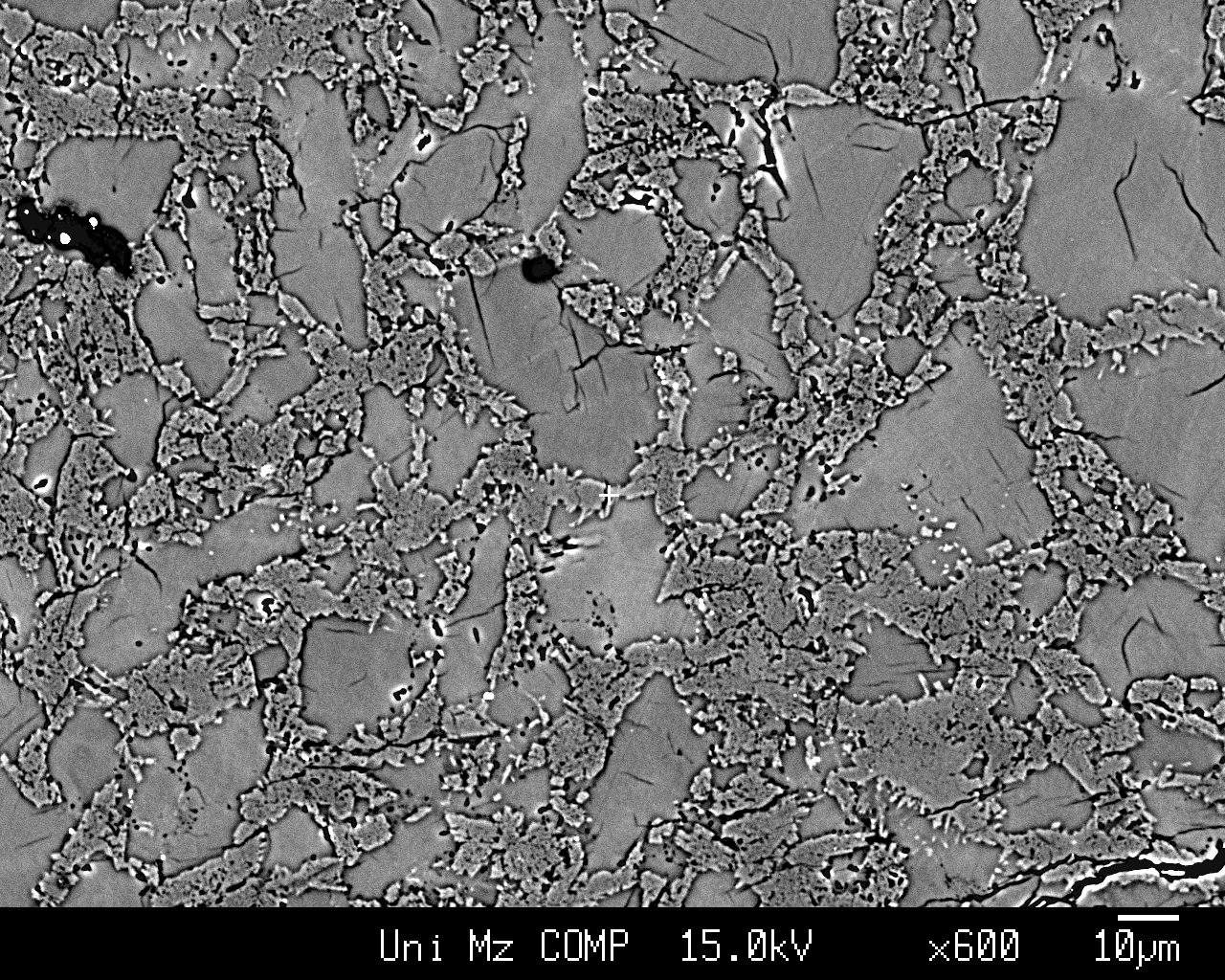
At RHI Magnesita’s Technology Center, I apply this approach to understand refractory behaviour and guide the development and optimization of materials and processes. Alongside my industrial role, I maintain research in metamorphic petrology, investigating how reaction energetics, fluid transport and deformation shape crustal evolution.
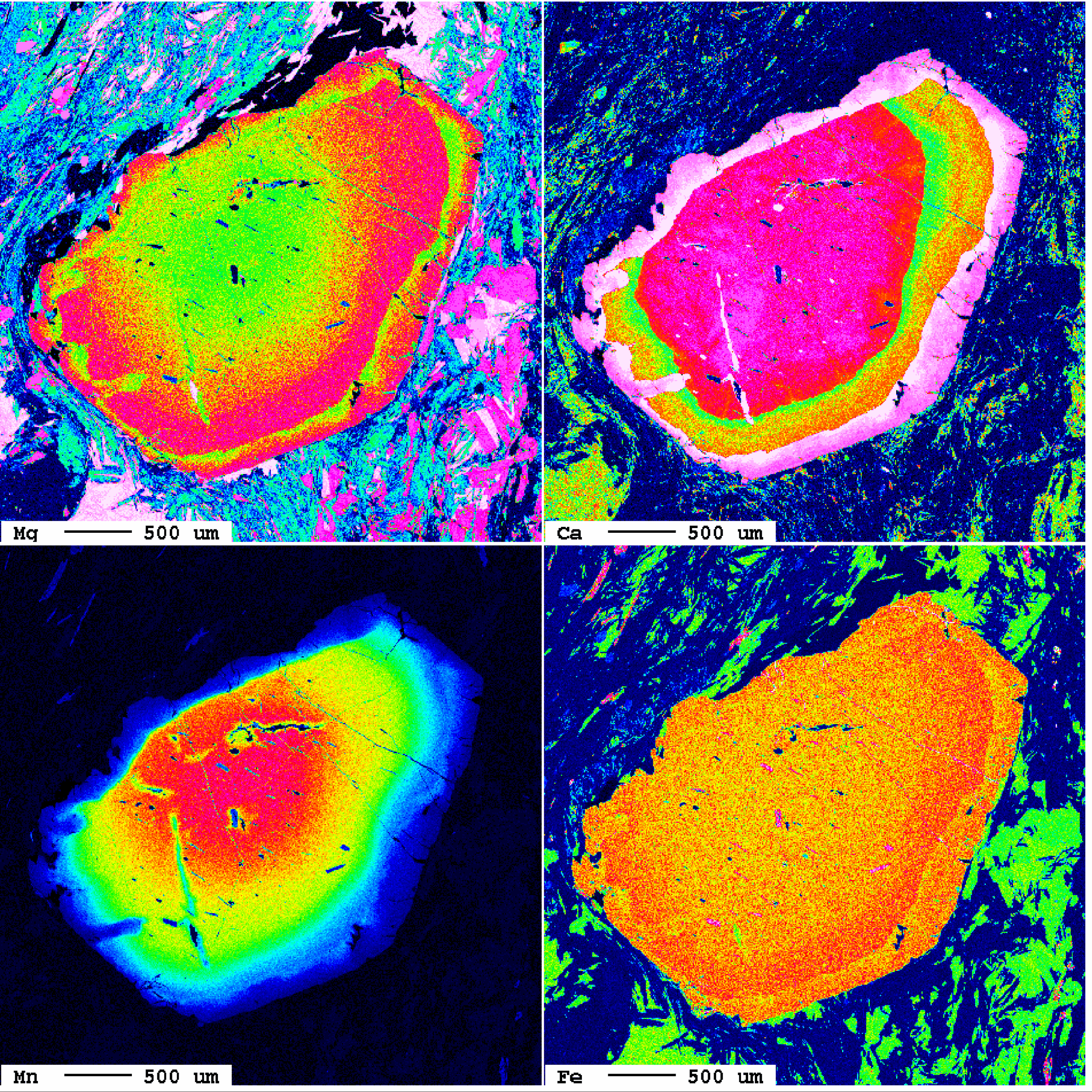
Across these disciplines, my aim is to connect observations with the underlying physics and chemistry to quantify process rates, timescales and feedbacks from mineral zoning, thermochronological records to refractory corrosion and performance at high temperatures. For details on my research, click here.
Geology & Research – my passion
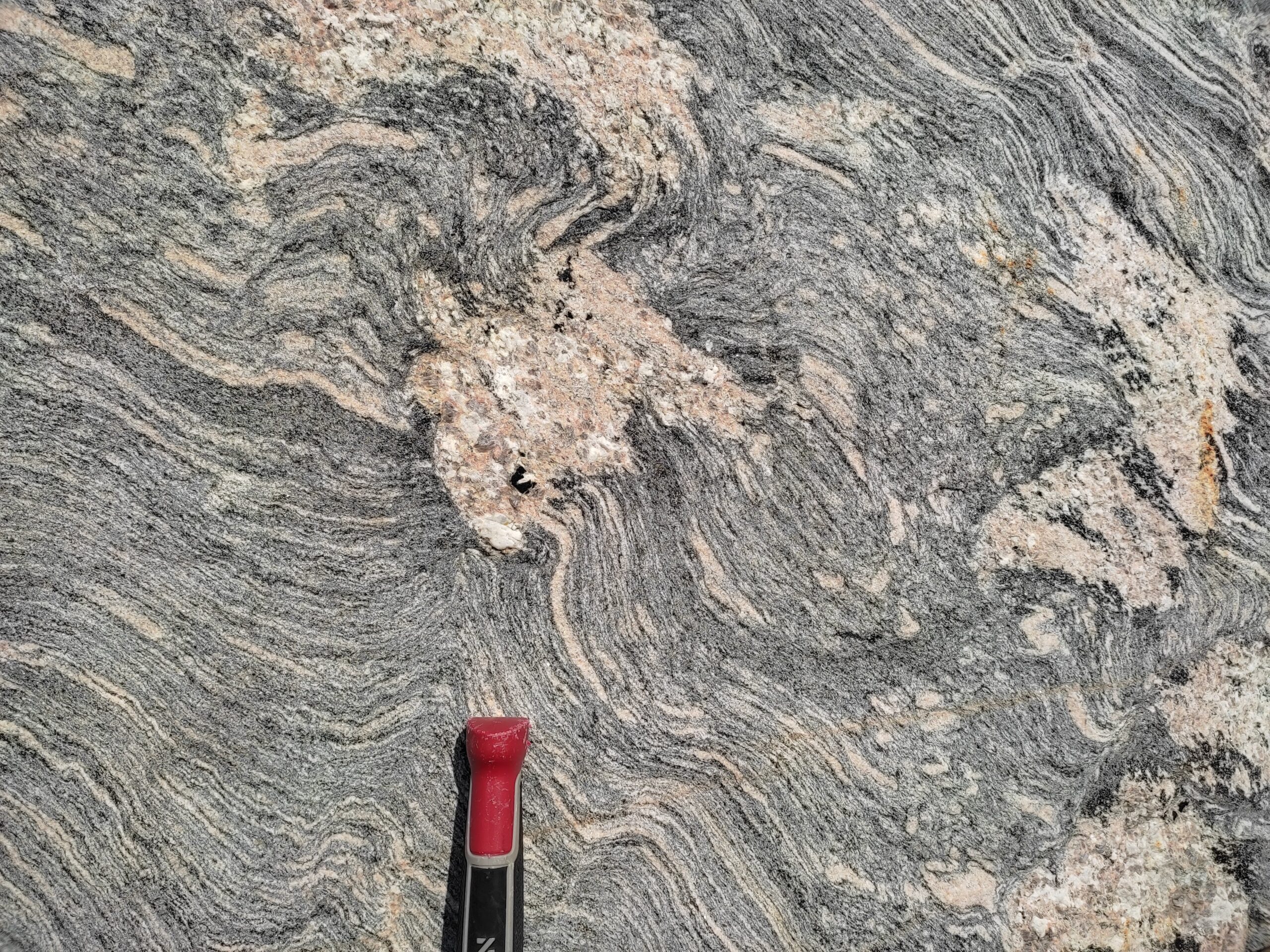
Geology is the study of Earth’s structure, composition, and evolution, while metamorphic processes are a key component in understanding the dynamic nature of the planet’s interior. Metamorphism occurs when existing rocks are subjected to changes in temperature, pressure, and chemically active fluids, leading to mineralogical and textural transformations. These processes provide crucial insights into tectonic environments, crustal evolution, and the conditions deep within the Earth.
Beyond their geological significance, metamorphic processes have direct societal, industrial, and energy-transition relevance. They control the formation and localization of critical raw materials such as rare earth elements, lithium, and base metals, influence geohazards in active mountain belts, and provide key insights into material behaviour at extreme temperature–pressure conditions. Fluid/gas–rock interactions play a fundamental role not only in ore formation and emerging resources such as natural hydrogen, but also in subsurface carbon capture, utilisation, and storage. Understanding metamorphism therefore supports the reconstruction of Earth’s history, resource exploration, the energy transition, hazard assessment, and industrial-technical applications.